We Speak Culture not Language
A single word on a road sign reveals why “accurate” translation can still fail.
5/11/20261 min read
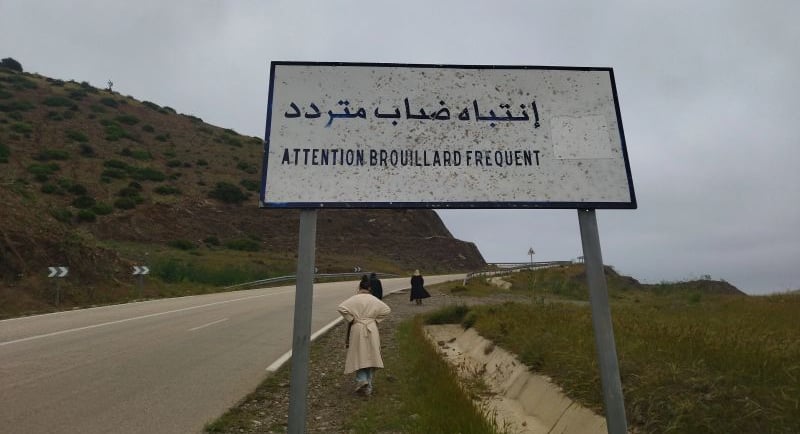
On the roadside, I came across this sign:
🇨🇵 Attention brouillard fréquent
🇲🇦 إنتباه ضباب متردد
At first glance, everything looks correct. But it’s not.
The word “متردد” is technically accurate. In Arabic, it can mean “recurring.” But for most Moroccan readers, it’s understood as “hesitant.” The result? A safety warning that creates confusion instead of clarity.
This is where literal accuracy breaks down. Localization is not about translating words. It is about controlling meaning in context and anticipating how people actually interpret language.
✅ A better version would be “ضباب متكرر”, or even more effective for a road sign:
“احذر: ضباب متكرر.”
Clear, direct, and impossible to misinterpret.
☀️ This small example highlights a bigger issue in translation. A word can be correct and still be wrong.
🔆 Standard Arabic can express these concepts without copying other languages. Its strength is innate, but the issue lies in how it is applied. Ignoring how people actually process language on the ground may create a gap that impacts user experience.
⛳ If your product, app, or brand sounds correct but feels off in Morocco, you’re not localizing; you’re just translating.
And users always feel the difference.