We Speak Culture not Language
When One Dot Turns a Compliment into Confusion 👀
5/11/20261 min read
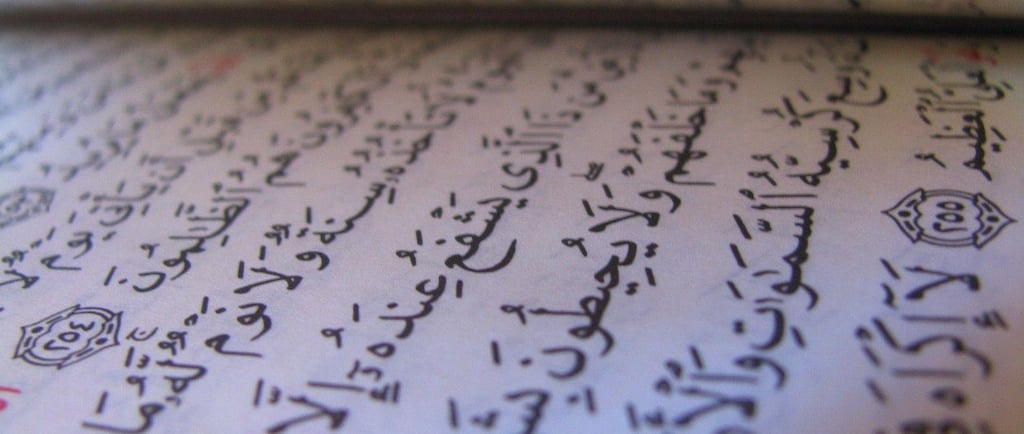
A single stroke in Arabic can completely change the meaning. Not figuratively, literally.
Take this:
أحبُ شِعرَكِ → I love your poetry
أحبُ شَعرَكِ → I love your hair
Same letters. Two completely different messages.
Now remove the diacritics and you get: أحب شعرك
For many AI systems, that is where things break.
This is the Diacritic Dilemma. In Arabic, التشكيل is not decoration, it is meaning. Without it, AI is guessing, and sometimes guessing wrong.
Why does this happen?
Because most models rely on probability. If the context is weak, the system defaults to what is more common. Add poor rendering of diacritics in some interfaces, and the result can be confusing or even embarrassing.
And this does not stop at Modern Standard Arabic. The same challenge applies to dialects, including Moroccan Darija. When meaning relies on context, tone, and lived usage, missing those layers leads to real communication gaps.
If we want better Arabic AI, we need to go deeper:
✅ Train on vocalized (مشَكَّل) data
✅Use smart auto-tashkeel
✅Focus on meaning, not just words
✅Integrate dialects like Darija into real datasets
🔆 Arabic is not just written. It is heard.
And dialects are not just variations, they are where real life happens.
👉 If you are working on Arabic or Moroccan markets, let’s talk. I help you not only learn the language, but truly feel the essence of communication.